
Smart Farming Takes Root: African Commercial Farms Embrace Precision Agritech
A third of commercial farms now use drones & soil sensors, transforming African agriculture. Discover how precision tech is boosting yields & driving sustainabl
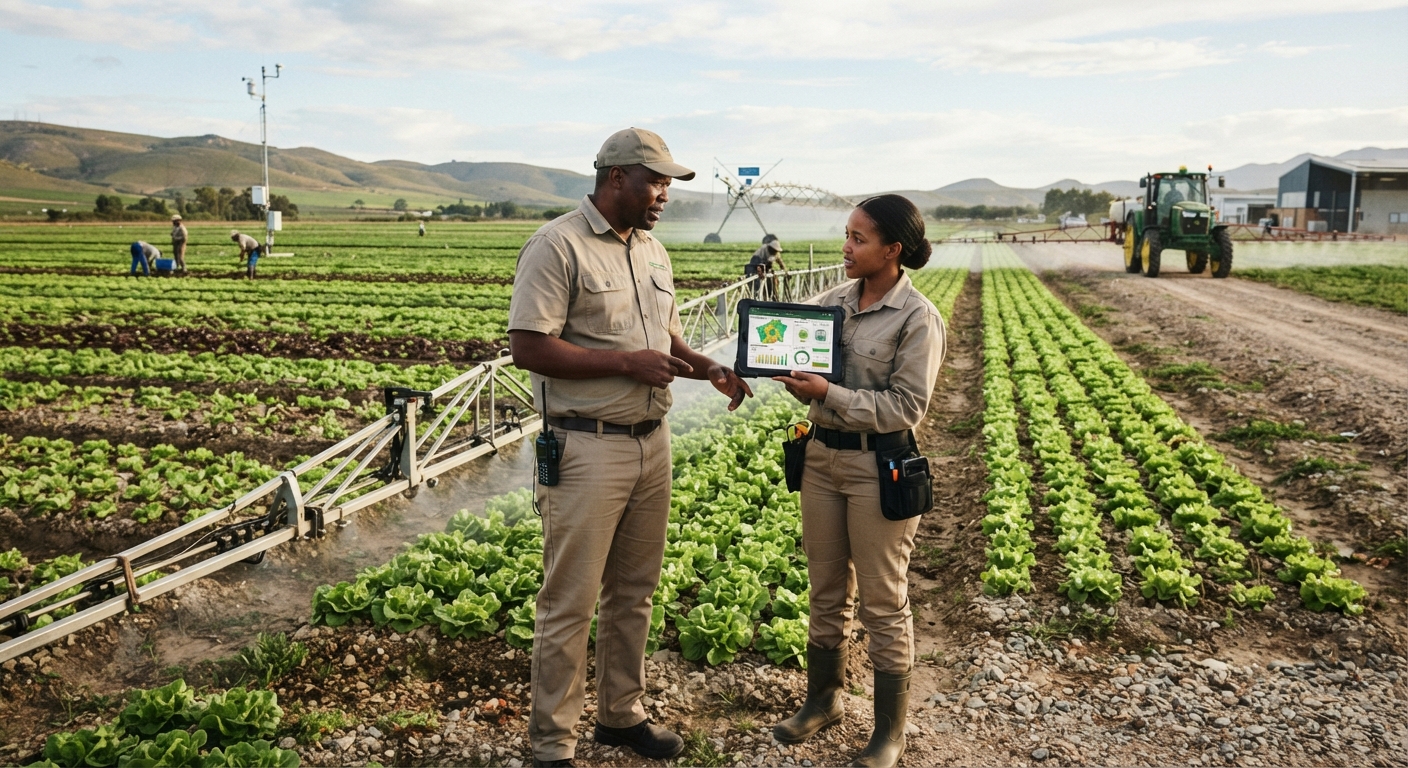
A quiet revolution is sweeping across commercial farmlands, signaling a definitive shift in how African agriculture operates. New data reveals that a substantial one-third of commercial farms are now actively integrating advanced drone-based crop scouting and sophisticated soil sensor technologies into their daily operations. This significant adoption rate underscores a growing commitment to efficiency, sustainability, and data-driven decision-making across the continent's agribusiness landscape.
Precision's Promise: Beyond the Naked Eye
No longer confined to niche pilot projects, these technologies are becoming indispensable tools for modern farmers. Drones, equipped with multispectral cameras, provide invaluable aerial insights, allowing for early detection of pests, diseases, and nutritional deficiencies invisible to the human eye. This bird's-eye view enables proactive intervention, preventing widespread crop damage and optimizing pesticide or fertilizer application. Simultaneously, an array of in-field soil sensors deliver real-time data on moisture levels, pH, and nutrient availability, empowering farmers to implement hyper-targeted irrigation and fertilization strategies. The synergy between these tools translates directly into reduced input waste and enhanced crop resilience.
The ROI on Innovation: A Competitive Edge
The widespread adoption isn't merely about technological novelty; it's driven by tangible economic benefits. Farms leveraging drones and sensors report significant improvements in operational efficiency and profitability. By precisely managing resources like water, fertilizer, and labor, producers are witnessing higher yields, better crop quality, and a noticeable reduction in operational costs. This competitive advantage is crucial in an increasingly globalized market, allowing African produce to meet stringent international standards and compete effectively on price and quality. For investors, this trend highlights a maturing sector ripe for further innovation and expansion, promising healthier returns on agricultural ventures.
The Local Angle
For South Africa and the broader African continent, the rise of precision agritech holds immense significance. With challenges like water scarcity, climate variability, and the imperative for food security, these technologies offer vital solutions. Targeted irrigation, guided by soil sensors, can drastically conserve water in arid and semi-arid regions. Drone-based insights allow for optimized land use and yield forecasting, crucial for national food planning and export strategies. While commercial farms lead the charge, the scalability of these technologies, perhaps through service models or simplified platforms, presents a future pathway for smaller-scale farmers to access similar benefits, boosting their productivity and market access. Moreover, this burgeoning sector creates opportunities for local agritech startups, skilled employment in data analysis and drone operation, and attracting further investment into Africa's agricultural value chain, positioning the continent at the forefront of agricultural modernization.
Source: Agritech Brief